Obesity Treatment
Our obesity treatment services were created with bariatric patients in mind, offering specialist medical and surgical care. The hospitals we collaborate with are affiliated with the largest bariatric organisation in the world – the International Bariatric Club. Thanks to this collaboration, our patients, both from the UK and overseas, have access to professors from institutions such as Oxford University and the Cleveland Clinic. Assistance is available particularly to those with complex medical histories, multiple comorbidities, and individuals who have undergone unsuccessful bariatric procedures in the past.
The obesity treatment programmes are based on American and European standards and guidelines. Ensuring the highest level of patient safety and preventing complications are key. We achieve this through the effective implementation of the Metabolic and Bariatric Surgery Accreditation and Quality Improvement system, developed by the American College of Surgeons and the American Society for Metabolic and Bariatric Surgery.
We utilise state of the art surgical solutions, offering patients not only laparoscopic procedures but also robot assisted surgeries. The use of robotic technology in bariatric procedures not only maximises patient safety during surgery and reduces the risk of complications but also significantly improves the quality of anastomosis, which is a crucial element of every bariatric procedure.

Revisional Procedures
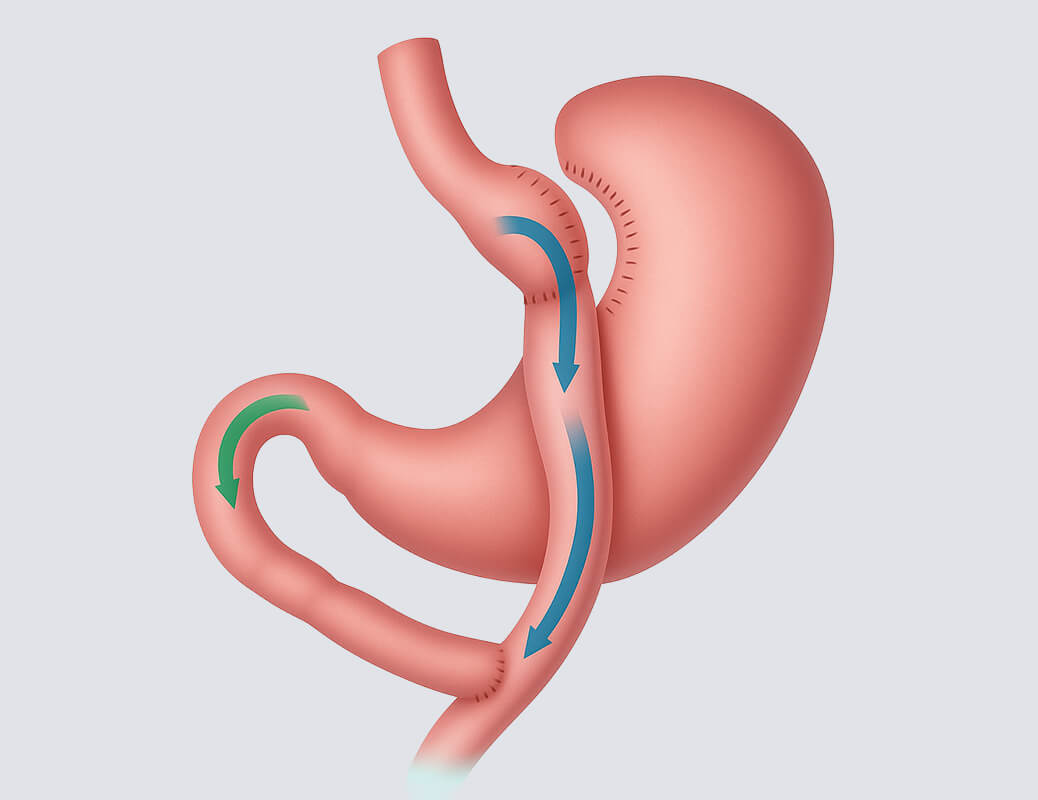
For patients who have undergone bariatric surgery but have experienced complications or insufficient weight loss, a revisional procedure may be considered. A typical group of candidates for revisional surgery includes those who previously had a gastric band fitted, as some of these patients suffer from severe reflux, oesophagitis, or recurrent obesity. In such cases, it is usually recommended to remove the gastric band and replace it with another procedure, such as gastric bypass.
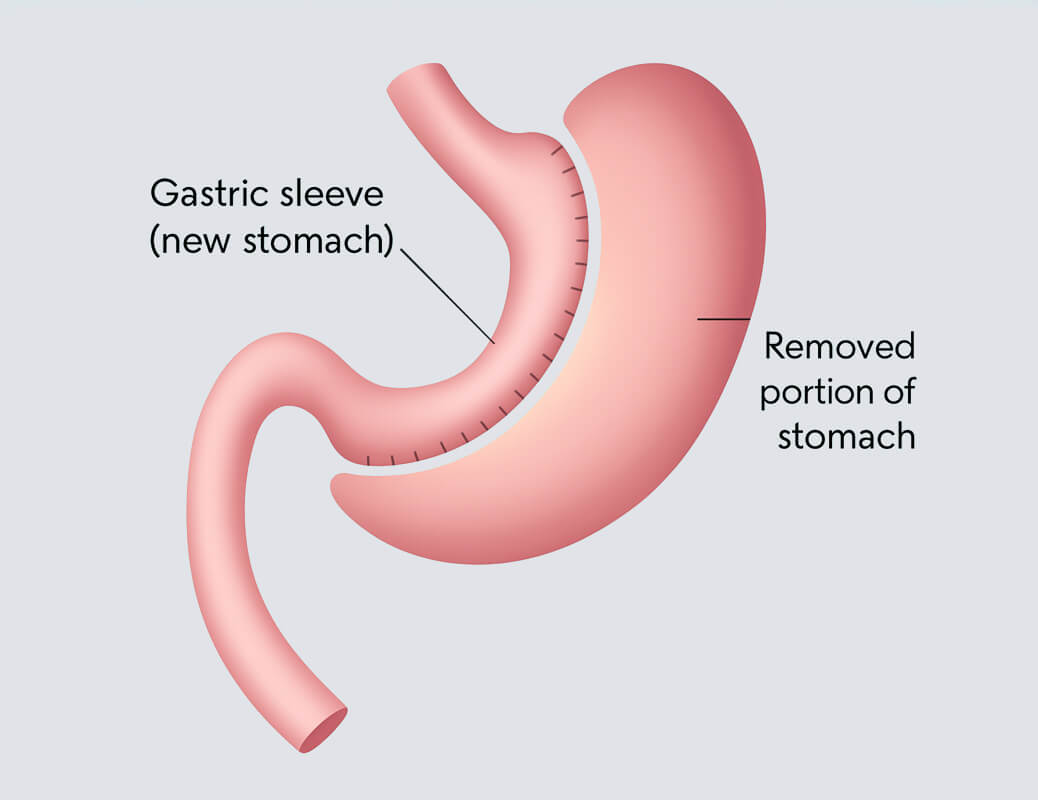
Another example includes patients who have undergone sleeve gastrectomy and subsequently developed reflux, with or without oesophagitis. Many of these patients also report weight regain and a return of obesity. For them, conversion to gastric bypass may be considered as an alternative solution.
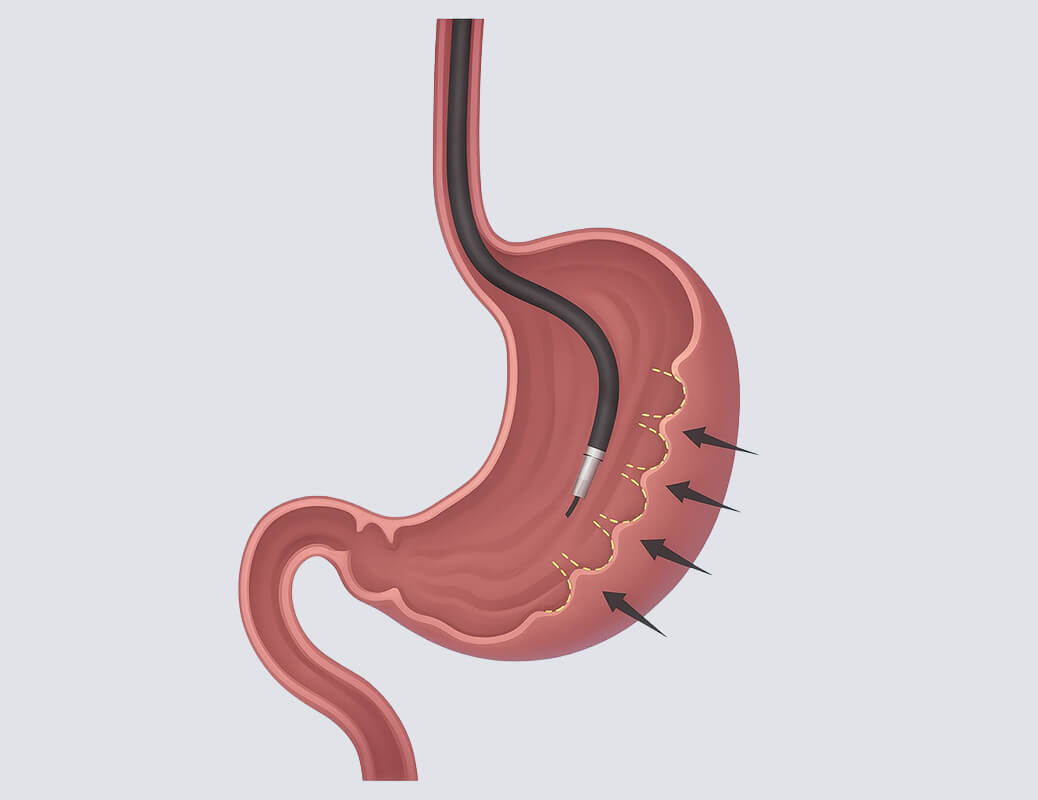
Another example includes patients who have undergone sleeve gastrectomy and subsequently developed reflux, with or without oesophagitis. Many of these patients also report weight regain and a return of obesity. For them, conversion to gastric bypass may be considered as an alternative solution. In every case, a revisional procedure is preceded by a thorough assessment of the patient’s condition and the anatomy of their digestive system. This involves a series of diagnostic tests, including X-rays, endoscopic examinations, and laboratory tests. The decision to proceed with revisional surgery follows a bariatric consultation and attempts at non-surgical treatment options. Revisional surgeries generally carry a higher risk of complications, require a longer hospital stay, and demand multidisciplinary medical care to ensure patient safety and the best possible outcome.
Disclaimer
*The Pax Medicus website provides information for guidance only and does not constitute medical advice, diagnosis, or treatment. Pax Medicus does not provide healthcare services and is not a substitute for consultation with a qualified medical professional. Always seek advice from your physician regarding any medical condition. Prices shown are indicative only and subject to confirmation by the healthcare provider. This is the official website of Pax Medicus; we do not operate through agents or third-party sites.