


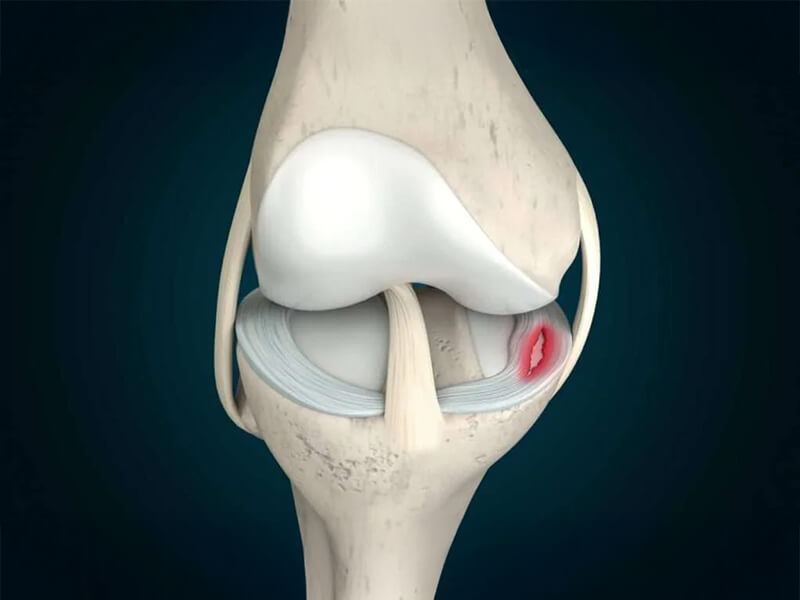
Arthroscopic Meniscus Repair
Arthroscopic meniscus repair is a minimally invasive knee procedure designed to preserve damaged meniscal tissue, reduce pain and restore stability. Through our trusted partner hospitals, Pax Medicus coordinates full treatment pathways for UK patients who require meniscus surgery abroad.
Our role as a medical tourism agency is to organise your diagnostics, surgery and hospital stay, while your procedure itself is performed by experienced orthopaedic surgeons in accredited centres.
What are the menisci and what do they do?
The menisci are two crescent-shaped pads of cartilage located between the femur (thigh bone) and the tibia (shin bone). They act as natural shock absorbers, stabilise the knee, help distribute load across the joint and support smooth rotational movement when the knee is bent. They also assist in distributing joint fluid and protect the knee from excessive or uncontrolled movement that could cause damage.
The medial meniscus is more firmly attached to the joint capsule and is therefore more prone to injury, while the lateral meniscus is more mobile.
Who is affected and what causes meniscal injuries?
Meniscal injuries can occur at any age, but the underlying causes differ between younger and older patients.
The risk of meniscal injury is higher in people with existing knee instability, often after an anterior cruciate ligament (ACL) injury. Being overweight also increases pressure on the knee and is an additional risk factor.
What are the symptoms of a meniscal injury?
Symptoms depend on the mechanism and severity of the injury.
Meniscal injuries in athletes often occur during football, handball, basketball, skiing or other high-demand sports and may coincide with damage to the ACL and medial collateral ligament – sometimes called O’Donoghue’s “unhappy triad”.
In people without a major trauma, degenerative tears can cause intermittent symptoms: mild swelling, discomfort and stiffness that slowly worsen over time. These tears are progressive and rarely improve on their own. Persistent knee pain or swelling should always prompt specialist assessment, and many cases ultimately require arthroscopy.
Is Arthroscopic Meniscus Repair Right for Me?
This treatment may be considered if you have:
Typical Recovery Timeline
How Pax Medicus Supports You
We coordinate your meniscus surgery abroad with experienced orthopaedic teams.
How is a meniscal injury diagnosed?
Diagnosis is based on a detailed medical history, physical examination and imaging tests:
What does arthroscopic meniscus repair involve?
Arthroscopic meniscus repair is a minimally invasive procedure performed in an operating theatre under regional, local or short general anaesthesia. The surgeon makes a few small incisions around the knee and inserts a thin camera (arthroscope) and specialised instruments.
First, the internal structures of the knee are examined in detail. Based on the type and location of the tear and the condition of the surrounding tissue, the most suitable repair method is chosen. The overall goal is to preserve as much meniscal tissue as possible and avoid unnecessary removal.
The torn part of the meniscus is repositioned and fixed towards the joint capsule using staples or other implants to promote healing. In some cases, the cartilage surface is gently stimulated to support regeneration. Additional sutures are placed to stabilise the repair. At the end of the procedure the surgeon checks the stability of the repaired meniscus, flushes the joint and closes the small skin incisions.
What Is the Recovery Process After Umbilical Hernia Surgery?
Recovery is structured and guided by your orthopaedic surgeon and physiotherapist. Rehabilitation is crucial to achieve a good long-term outcome.
Following the rehabilitation programme closely is essential for restoring knee stability and reducing the risk of further injury.
Disclaimer
*The Pax Medicus website provides information for guidance only and does not constitute medical advice, diagnosis, or treatment. Pax Medicus does not provide healthcare services and is not a substitute for consultation with a qualified medical professional. Always seek advice from your physician regarding any medical condition. Prices shown are indicative only and subject to confirmation by the healthcare provider. This is the official website of Pax Medicus; we do not operate through agents or third-party sites.
BOOK YOUR CONSULTATION TODAY
Simply fill in the form below and our team will get back to you as soon as possible.