


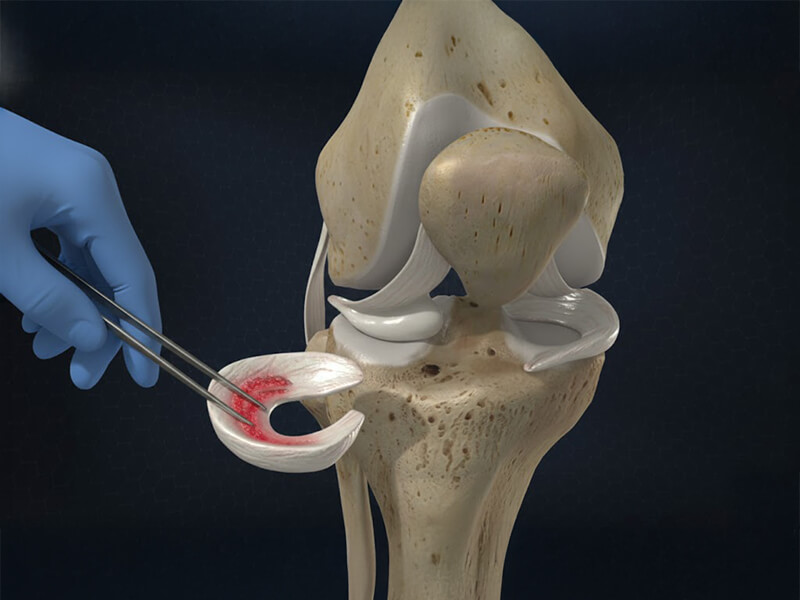
Meniscal Transplantation
Meniscal transplantation is a joint-preserving procedure designed for younger, active patients who have lost a significant portion of their meniscus and now suffer from pain, swelling and reduced function in the knee.
As a medical tourism agency, Pax Medicus coordinates specialist consultations, imaging, surgery and rehabilitation for patients seeking meniscus transplant procedures in partner orthopaedic centres.
What are the menisci?
The menisci are two crescent-shaped cartilage structures that sit between the femur (thigh bone) and the tibia (shin bone). They help the rounded surface of the femur fit the flatter surface of the tibia and are essential for a healthy, well-functioning knee joint.
Who Is Meniscus Transplantation For?
Meniscal transplantation is not for everyone. It is aimed at carefully selected patients who have significant meniscal loss but want to preserve their natural knee joint for as long as possible.
Indications
Who is typically eligible?
Patients with advanced osteoarthritis or widespread cartilage damage are usually not suitable for meniscus transplantation and may require other treatment options.
Types of Meniscus Transplants
There are two main approaches to replacing a damaged or missing meniscus: donor (allograft) transplantation and synthetic meniscus implants.
Allograft meniscus transplant
Synthetic meniscus implant
How Is Meniscus Transplantation Performed?
Closing-wedge osteotomy
Opening-wedge osteotomy
As with any surgery, high tibial osteotomy carries risks. Possible complications include over- or under-correction, delayed bone healing, infection and thrombosis. Following your surgeon’s instructions, including thromboprophylaxis, is essential to minimise these risks.
Benefits of Meniscus Transplantation
When performed in the right patient and combined with dedicated rehabilitation, meniscus transplantation can significantly improve quality of life.
Meniscus transplantation is a specialised procedure. A thorough assessment by an experienced orthopaedic surgeon is essential to determine if it is the right option for your knee.
Recovery After a Meniscus Transplant
Recovery aims to protect the new meniscus while gradually restoring movement, strength and function. Strict adherence to medical and physiotherapy guidance is essential.
Early phase
Rehabilitation and follow-up
Return to activity
The adaptation period of the transplanted meniscus is critical. Following your surgeon’s and physiotherapist’s instructions carefully is key to a successful, long-term outcome.
Considering Meniscus Transplantation?
If you have ongoing knee pain after meniscus removal or severe meniscal damage, a specialist opinion can help you understand whether transplantation is suitable and what outcomes you might expect.
Disclaimer
*The Pax Medicus website provides information for guidance only and does not constitute medical advice, diagnosis, or treatment. Pax Medicus does not provide healthcare services and is not a substitute for consultation with a qualified medical professional. Always seek advice from your physician regarding any medical condition. Prices shown are indicative only and subject to confirmation by the healthcare provider. This is the official website of Pax Medicus; we do not operate through agents or third-party sites.
BOOK YOUR CONSULTATION TODAY
Simply fill in the form below and our team will get back to you as soon as possible.