


Stomach Cancer: Causes, Symptoms, Diagnosis and Prognosis
Stomach cancer, also known as gastric cancer, is a malignant tumour and one of the leading causes of cancer-related death in Poland. It occurs more often in men, and more than 5,000 people in Poland are diagnosed with it each year. Although the exact causes are not fully understood, the disease is strongly linked to harmful environmental factors and dietary habits.
For UK patients considering treatment abroad, understanding the symptoms, diagnosis and treatment pathway is an important first step. Below, we explain what stomach cancer is, what may increase the risk of developing it, and how it is diagnosed and treated in Poland.
What Is Stomach Cancer?
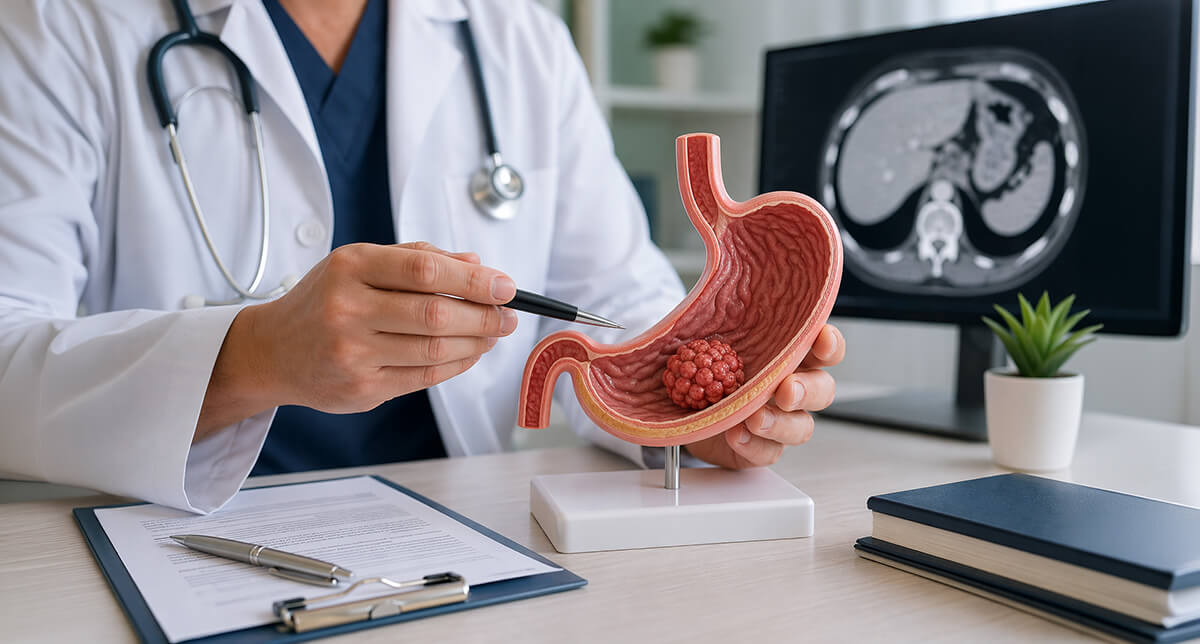
The stomach is part of the digestive tract where digestion begins after food passes through the oesophagus. It consists of the cardia, fundus, body and pylorus. Cancer cells can develop in any of these areas, although some parts of the stomach are affected more often than others.
In most cases, stomach cancer begins in the mucosal lining. From there, it may spread directly to nearby organs such as the pancreas or oesophagus, or travel through the blood or lymphatic system to more distant sites, including the liver, lungs and bones.
The most common form of stomach cancer is adenocarcinoma, which accounts for the vast majority of cases. Less common forms include lymphomas, neuroendocrine tumours, sarcomas and gastrointestinal stromal tumours, also known as GIST.
Stomach Cancer in Poland and Why Early Diagnosis Matters
In Poland, around 5,200 people are diagnosed with stomach cancer each year, and the disease affects men more often than women. Most patients are over the age of 50, and the risk rises significantly with age.
As with most cancers, staging is very important. Stage I disease offers the best chance of cure, while stage IV disease has the poorest outlook because of distant metastases. Early stomach cancer has a far better prognosis, but it is rarely detected because symptoms are often absent at this stage.
For patients exploring private medical care abroad, fast access to diagnostics can help shorten the path to treatment. You can learn more about the process here: how treatment in Poland works.
Types of Stomach Cancer
- Intestinal type – often linked to precancerous changes and environmental factors.
- Diffuse type – may occur more often in younger patients and can have a stronger genetic component.
- Mixed type – shares features of both intestinal and diffuse forms.
Identifying the type of tumour helps doctors assess the likely behaviour of the disease and plan the most suitable treatment pathway.
Causes and Risk Factors for Stomach Cancer
There is no single cause of stomach cancer, but several factors are known to increase the risk. Environmental and lifestyle factors appear to play a particularly important role.
- Diet high in salty, smoked or preserved foods
- Low intake of fresh fruit and vegetables
- Smoking
- Obesity
- Previous stomach surgery
- Certain gastric polyps
- Helicobacter pylori infection
- Genetic predisposition
- Increasing age
Helicobacter pylori infection is closely linked to chronic inflammation of the stomach lining and long-term cancer risk. In some patients, many years can pass between the initial infection and the eventual development of cancerous changes.
If you are already investigating digestive symptoms, related diagnostic services can be found in the medical tests and examinations section.
Symptoms of Stomach Cancer
The symptoms of stomach cancer are often non-specific, especially in the early stages. Many patients initially assume they are dealing with indigestion, gastritis, reflux or peptic ulcer disease, which can delay diagnosis.
- Persistent epigastric pain
- A feeling of fullness after eating small amounts
- Reduced appetite
- Unexplained weight loss
- Belching
- Nausea and vomiting
- Difficulty swallowing
- Black stools
In more advanced disease, symptoms may include a palpable abdominal mass, enlarged lymph nodes, fluid in the abdomen, pleural effusion or metastases to other organs. Persistent symptoms should never be ignored, particularly in people over 50 or those with known risk factors.
How Is Stomach Cancer Diagnosed?
Accurate diagnosis is essential for planning the right treatment. The most important investigations may include:
- Gastroscopy with biopsy – the key test for confirming stomach cancer
- Ultrasound scans – useful for assessing spread
- CT, MRI and PET scans – for staging and treatment planning
- Blood tests – useful for checking anaemia and general health
Microscopic analysis of tissue taken during gastroscopy is the only way to confirm the diagnosis of stomach cancer. General diagnostic pathways are also available through the medical tests and examinations page.
If you are seeking specialist assessment, it may also be helpful to review the available hospitals in Poland and diagnostic options before booking a consultation.
Surgical Treatment for Stomach Cancer
Surgery remains the main treatment offering the possibility of complete cure, provided the tumour can be fully removed. Surgical treatment may include:
- Subtotal gastrectomy – removal of part of the stomach
- Total gastrectomy – removal of the whole stomach
- Removal of nearby lymph nodes
- Restoration of digestive tract continuity after surgery
The aim is an R0 resection, meaning the tumour has been removed completely with a margin of healthy tissue.
Patients exploring treatment options can review general surgery services, as well as the wider range of medical services available through Pax Medicus.
Chemotherapy and Radiotherapy
Chemotherapy is often used before surgery to reduce tumour size and after surgery to destroy any remaining cancer cells. This perioperative approach is now considered a standard strategy in many patients because it can improve survival and reduce the risk of recurrence.
Radiotherapy is used more selectively. It may play a role in palliative care, for example to control bleeding, relieve pain or reduce symptoms caused by tumour narrowing. In selected situations, postoperative chemoradiotherapy may also be considered.
Treatment plans vary from one patient to another, depending on tumour stage, overall health and whether surgery is possible.
Can Stomach Cancer Be Prevented?
Not all cases of stomach cancer can be prevented, but the risk may be reduced by:
- Eating more fruit and vegetables
- Avoiding smoked and heavily processed foods
- Stopping smoking
- Maintaining a healthy weight
- Treating Helicobacter pylori infection promptly
Because there is no routine population screening programme for stomach cancer in Poland, endoscopic assessment is especially important when recurring symptoms such as persistent stomach pain, fullness, belching or nausea are present.
Stomach Cancer Diagnosis and Treatment in Poland
For UK patients considering treatment abroad, Poland offers access to specialist diagnostics, experienced surgeons and modern hospital facilities. This can be particularly valuable for patients who want quicker access to investigations and treatment planning.
You can explore available hospitals, review information about Kliny Hospital, and find out how to book a consultation if you would like a personalised treatment pathway.
If you would like to estimate the financial side of care, you can also view the pricing guide before arranging your initial consultation.
Final Thoughts
Stomach cancer can be difficult to detect early, but recognising the warning signs and arranging prompt diagnostic testing can make a significant difference. A clear diagnosis, accurate staging and timely access to specialist care are the key elements in planning effective treatment.
If you are considering stomach cancer diagnosis or treatment in Poland, Pax Medicus can help coordinate the process from initial consultation to hospital admission and follow-up care.
Private Stomach Cancer Diagnosis and Treatment Support
If you are experiencing persistent digestive symptoms or have already received a diagnosis, Pax Medicus can help you access gastroscopy, further diagnostic testing, specialist general surgery services and the option to book a consultation without unnecessary delay.